ANNIVERSARIES
Historical moments for celebrating: 100, etc, years after births and deaths
(The lists are alphabetical)
2025
Alice Barnett: 50 years after death: 1975. Songs.
Maria Emmanuelle Bayon Louis: 200 years after birth: 1825. Opéra-comique, Sonatas.
Cathy Berberian: 100 years after birth: 1925. Vocal.
Edith Borroff: 100 years after birth: 1925: Stage, chamber, choral.
Hilda Dianda: 100 years after birth: 1925. Orchestra, chamber, choral.
Sophia Dussek: 250 years after birth: 1775. Keyboard, harp.
 Louise Farrenc: 150 years after death: 1875. Symphonic, chamber, piano.
Virginia Gabriel: 200 years after birth: 1825. Opera, cantatas, songs.
Marie Jaëll: 100 years after death: 1925. Concerto, chamber, piano.
Nelly Moretto: 100 years after birth: 1925. Chamber, electronics.
Daphne Oram: 100 years after birth: 1925. Film, electronics.
Alice Parker: 100 years after birth: 1925. Film, choral, vocal.
Joanídia Sodré: 50 years after death: 1975. Opera, chamber.
Stella Stocker: 100 years after death: 1925. Theatre, instrumental, choral.
Ruth White: 100 years after birth: 1925. Electronics.
Agnes Zimmermann: 100 years after death: 1925. Chamber, piano.
2026
Ella Adeyevskaya: 100 years after death 1926: Opera.
Irina Mikhaylovna Elcheva: 100 years after birth 1926: Russian folk songs.
Narcisa Freixas: 100 years after death 1926: Children's songs.
Guy d'Hardelot (Helen Rhodes): 90 years after death 1936: Songs.
Betsy Jolas: 100 years after birth 1926: Stage, orchestral, choral.
Melinda Kistétényi: 100 years after death 1926: Stage, instrumental, vocal.
Luísa Leonardo: 100 years after death 1926: Incidental theatre music.
Zara Levina: 50 years after death 1976: Orchestral, children's songs.
 Hélène de Montgeroult: 110 years after death 1836: Keyboard: Études.
Carmen Petra-Basacopol: 100 years after birth 1926: Theatre, symphonic, chamber, instrumental.
Claire Polin: 100 years after birth 1926: Orchestral, instrumental.
Priaulx Rainier: 40 years after death 1986: Orchestral, chamber, vocal.
Louise Reichardt: 200 years after death 1826: Songs.
Elsa Respighi: 30 years after death 1996: Opera, vocal.
Marga Richter: 100 years after birth 1926: Orchestral, chamber.
Esther Scliar: 100 years after birth: Instrumental, choral, vocal.
Patti Stair: 100 years after birth 1926: Orchestral, chamber, instrumental, choral.
2027
Liana Alexandra: 80 years after birth: 1947. Stage.
Laurie Anderson: 80 years after birth: 1974. Performance artist.
Anna Amalia, Princess of Prussia: 220 years after death: 1787; Herzogin Anna Amalia Library Collection.
Anna Amalia: 220 years after death: 1807. Singspeil.
Vera Baeva: 10 years after death: 2017. Instrumental, vocal.
Amy Beach: 160 years after birth: 1867: Works List.
Janet Beat: 90 years after birth: 1937. British Music Collection.
Hortense Eugénie de Beauharnais: 190 years after death: 1837. Songs.
Louise Bertin: 150 years after death: 1877. Operas.
Leopoldine Blahetka: 150 years after death: 1887. Opera, chamber, vocal.
Mel Bonis: 90 years after death: 1937. Orchestra, chamber, choral. Mel Bonis Society.
Nadia Boulanger: 140 years after birth: 1887: Orchestra, choral, vocal.
Ina Boyle: 60 years after death: 1967. Stage, orchestra, vocal. Ina Boyle Society.
Gena Branscombe: 50 years after death: 1977. Choral, songs, chamber.
Francesca Caccini: 440 years after birth: 1587. Opera, cantatas.
Julie Candeille: 260 years after birth: 1767. Stage, vocal, keyboard sonatas.
Mathilde Capuis: 10 years after death: 2017. Orchestra, chamber.
 Teresa Carreño: 110 years after death: 1917. Piano, chorus, orchestra.
Cécile Chaminade: 170 years after birth: 1857. Comic operas, chamber, piano.
Laura Sedgwick Collins: 100 years after death: 1927. Vocal, incidental music.
Mabel Wheeler Daniels: 150 years after birth: 1877. Stage, choral, instrumental.
Emma Lou Diemer: 50 years after death: 1947. Orchestra, chamber, choral, vocal.
Fanny Charles Dillon: 80 years after death: 1947. Orchestral, instrumental, vocal.
 Madeleine Dring: 50 years after death: 1977. Stage, songs, piano.
Sophia Dussek: 180 years after death: 1847: Keyboard, harp.
Rosalind Ellicott: 170 years after birth: 1857: British Music Collection,
Evelyn Faltis: 140 years after birth: 1887. Symphonic, chamber, choral, songs.
Beatriz Fereya: 90 years after birth: 1937: electronic.
Chiquinha Gonzaga: 180 years after birth: 1847. Stage, dances, songs.
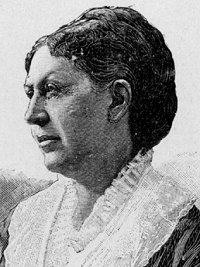 Clémence de Grandval: 120 years after death: 1907. Operetta, orchestra, oratorio, choral, songs.
Agathe Grøndahl: 120 years after death: 1907. Songs, piano.
Júlia Hajdú: 40 years after death: 1987. Stage, orchestra, songs.
Augusta Holmès: 180 years after birth: 1847. Opera, cantatas, orchestra, choral.
Imogen Holst: 120 years after birth: 1907. Stage, orchestra, chamber, vocal. Holst Society
Katherine Hoover: 90 years after birth: 1937. Orchestra, chamber, choral, vocal.
Amy Horrocks: 160 years after birth: 1867. Songs, chamber, vocal, piano.
Elaine Hugh-Jones: 100 years after birth: 1927. Songs, chamber, piano.
Elena Katz-Chernin: 70 years after birth: 1957. Boosey.com
Mathilde Kralik von Mayerswalden: 170 years after birth: 1857. Opera, melodrama, orchestra, vocal.
Elizabeth Kuyper: 150 years after birth: 1877. Orchestra, chamber, vocal.
Margaret Ruthven Lang: 160 years after birth: 1867: Songs, choral, orchestra.
Luise Adolpha Le Beau: 100 years after death: 1927: Choral, vocal, chamber. IMSLP
Nicola LeFanu: 80 years after birth: 1947. LeFanu
Queen of Hawaii Lili'uokalani: 110 years after death: 1917. Choral, songs.
Ruth Lomon: 10 years after death: 2017.
Elizabeth Maconchy: 120 years after death: 1907: Wise Classical Music
Bernadetta Matuszczak: 90 years after birth: 1937: PWM
Fanny Mendelssohn-Hensel: 180 years after death: 1847; Furore-verlag.de
Ida Georgina Moberg: 80 years after death: 1947: orchestra, choral.
Mary Carr Moore: 70 years after death: 1957. IMSLP
Geraldine Mucha: 110 years after birth: 1917. Works
Laura Constance Netzel: 100 years after death: 1927. Keiser publications
Jana Obrovska: 40 years after death: 1987. Schott-music
Irina Odegescu: 90 years after birth: 1937. Symphonic, choral, chamber.
Elizabeth Poston: 40 years after death: 1987. Boosey.com works
 Florence Price: 140 years after birth: 1887. Wise Classical Music
Julie Rivé-King: 90 years after death: 1937. IMSLP.
Delphine von Schauroth: 140 years after death: 1887. 12 Lieder, Op 18.
Barbara Strozzi: 350 years after death: 1677: Madrigals.
|